



Understanding Allergies
Allergies occur when the immune system overreacts to substances that are typically harmless to most people. These substances, known as allergens, trigger an immune response that can cause a range of symptoms, from mild discomfort to severe reactions.
Common Allergens
Allergens can be found in various sources, including:
- Pollen: A common cause of seasonal allergies (hay fever).
- Dust mites: Microscopic organisms found in household dust.
- Pet dander: Tiny flakes of skin shed by cats, dogs, and other animals.
- Mold spores: Fungi that thrive in damp environments.
- Certain foods: Such as peanuts, shellfish, dairy, and eggs.
- Insect stings: Bee and wasp stings can cause allergic reactions.
- Medications: Some individuals may be allergic to antibiotics or other drugs.
Allergy Symptoms
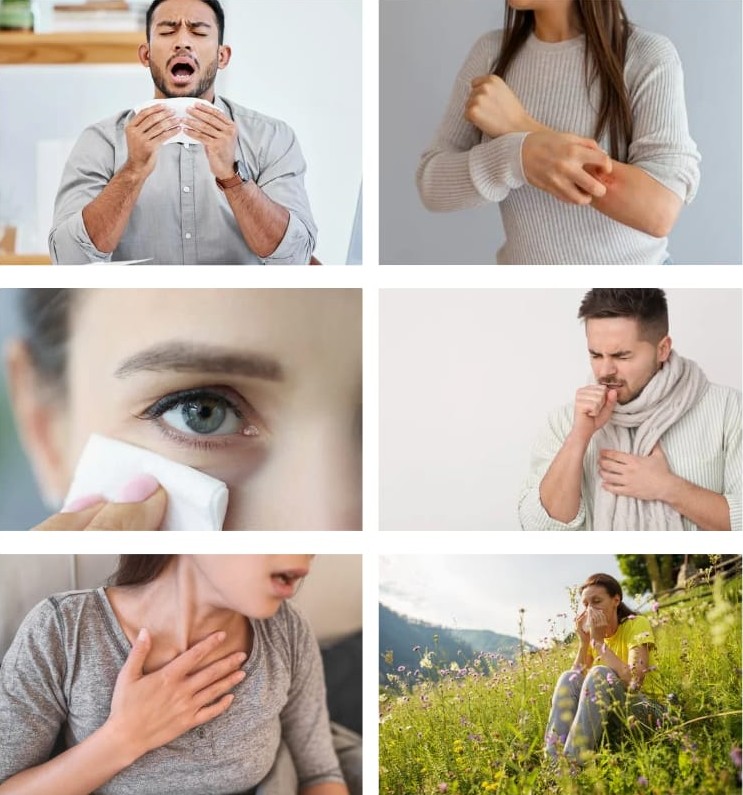
The symptoms of an allergy can vary depending on the allergen and the individual’s sensitivity. Some common allergic reactions include:
- Sneezing and runny nose (common in pollen and dust allergies)
- Itchy, watery eyes
- Skin rashes or hives
- Difficulty breathing, wheezing, or asthma symptoms
- Digestive issues such as nausea, vomiting, or diarrhea (common in food allergies)
- Anaphylaxis, a severe, life-threatening allergic reaction requiring immediate medical attention
An All Natural Solution to Allergy: Bubble Up Spray
Bubble Up is a patented, probiotic-based allergy-preventing air spray that helps create a cleaner indoor environment by reducing allergens in the air.
Developed at Istanbul Gelişim University TEKMER by a female doctor specializing in microbiology, Bubble Up is grounded in scientific research.
Studies have shown that probiotics can help regulate the immune system and reduce allergic reactions by modifying the microbial balance in indoor spaces.
Bubble Up and Microbiome-Conscious Environmental Care
Modern life exposes us to a wide range of environmental factors, including dust, pollution, frequent-contact surfaces, and everyday microbial stressors. These factors can influence the balance of the environments in which we live, work, and rest.
Bubble Up is designed as a probiotic-inspired environmental care product that supports a more balanced and refreshed indoor micro-environment. It is not a medicine, allergy treatment, nasal product, or substitute for medical care.
Rather than relying on a harsh “eliminate everything” approach, Bubble Up is developed around a microbiome-conscious perspective: supporting a more balanced environment for everyday use.
Probiotic microorganisms and their derivatives have been widely studied in food, fermentation, microbiome science, and product development.
Certain Lactobacillus species, including strains historically classified as Lactobacillus casei and now often referred to as Lacticaseibacillus casei, are known for their role in fermentation and for their relevance in microbiome research.
These organisms are commonly associated with fermented foods such as yogurt and cheese, and have been researched for their ability to produce lactic acid and beneficial other metabolites under suitable conditions.
About Lacticaseibacillus casei
Certain Lactobacillus strains, including strains historically classified as Lactobacillus casei and now commonly referred to within the Lacticaseibacillus casei group, have been widely investigated in microbiology, fermentation, and probiotic research.
Published studies suggest that selected strains may demonstrate several mechanisms of scientific interest under specific experimental or oral-use conditions:
Antimicrobial Metabolites
Lactic acid bacteria are known to produce organic acids, bacteriocins, and other metabolites that may contribute to inhibitory activity against certain microorganisms in laboratory and food-related systems. The activity of these metabolites is strain-specific and highly dependent on formulation and environmental conditions.
Immune-Modulating Research
Some clinical and experimental studies involving orally administered probiotic strains have reported changes in immune markers, including natural killer cell activity and cytokine-related responses. These findings relate to specific strains, doses, and routes of administration and should not be generalized to all probiotic products.
Competitive Adhesion and Microbial Ecology
Research has also examined the ability of selected probiotic strains to compete with certain microorganisms for adhesion sites in gastrointestinal model systems. Such findings support the broader scientific concept that microbial communities can influence local ecological balance.
Microbiome Homeostasis
Microbiome research continues to show that balanced microbial ecosystems are important in many biological environments. However, the effects of individual strains depend on strain identity, product format, concentration, route of exposure, and the specific environment in which they are used.
Selected References:
- Ogawa, T. et al. (2006). Natural killer cell activities of synbiotic Lactobacillus casei ssp. casei in healthy adults.
- Lee, Y. K. & Puong, K. Y. (2002). Competition for adhesion between probiotics and human gastrointestinal pathogens in the presence of carbohydrate.
- Dong, H. et al. (2012). Comparative effects of six probiotic strains on immune function in vitro.
- Qin, D. et al. (2022). Contribution of lactobacilli on intestinal mucosal barrier and related mechanisms.
- Chen, X. et al. (2025). Lactic acid bacteria bacteriocins: safe and effective antimicrobial compounds.
Please click here for more research on the probiotics and their beneficial effects on human microbiome.
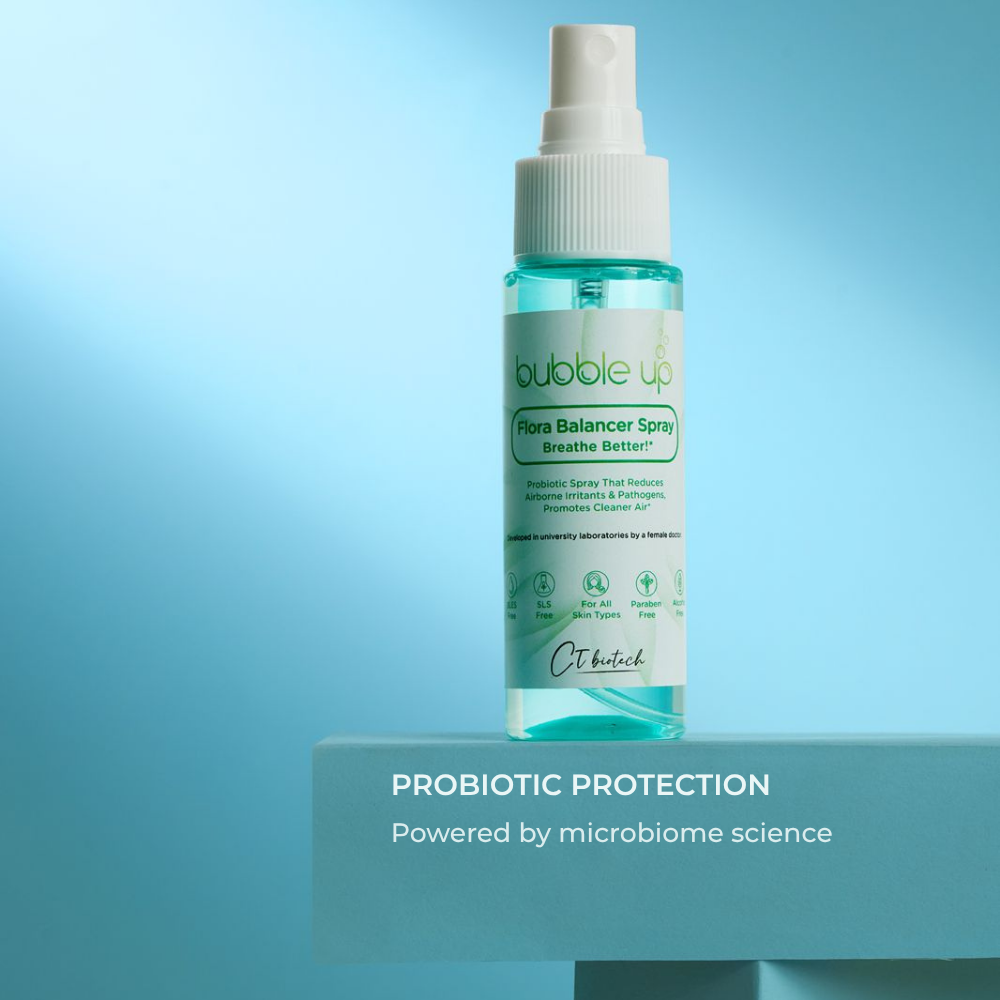
Bubble Up Probiotic Flora Balancing Spray
Bubble Up contains healthy probiotics found in the natural skin microbiota. By creating a protective shield, it helps support the skin barrier against external pathogens and allergens. Does not contain any preservatives, additives, alcohol, or fragrances.